How Text to Image AI Is Transforming Digital Art and Design
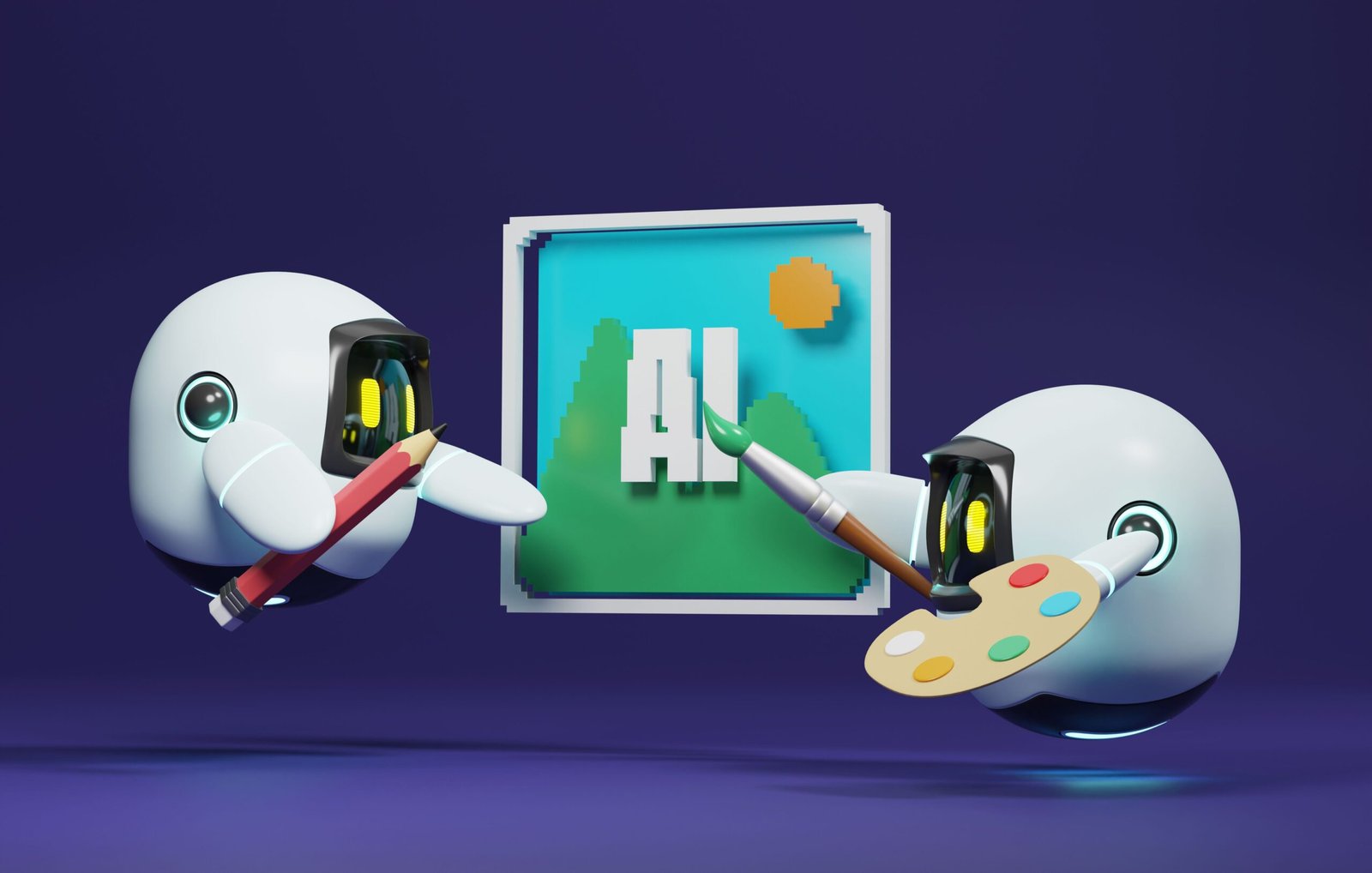
From traditional sketches to digital masterpieces, art and design have always evolved with technology. But the recent rise of text to image ai has sparked one of the most dramatic shifts in creative workflows in decades. Today, anyone with a creative idea—whether a professional designer, content creator, or hobbyist—can generate unique artwork simply by describing it in words. This revolution isn’t just about speed; it’s reshaping who can create art, how quickly it can be produced, and how deeply technology can augment human imagination.
In this blog post, we’ll explore how text-to-image AI fuels innovation in digital design, its real-world impact, and the five leading tools empowering creators today. We’ll also highlight how this technology complements the rise of tools like an ai video app, which can animate or expand these visuals into motion content.
The Rise of Text to Image AI
Traditionally, creating high-quality visuals required design skills, software expertise, and hours of manual effort. Artists needed to master tools like Adobe Photoshop or Illustrator, and even then, complex designs took time. But with text to image AI, the process becomes as simple as writing a description.
At its core, text to image ai uses advanced machine learning models trained on vast datasets of images and linguistic descriptions. When you enter a prompt—such as “an enchanted forest at dawn with glowing fireflies”—the AI combines its learned knowledge of objects, textures, lighting, and styles to generate a brand-new image that matches the description. This process transforms the way creatives approach ideation, prototyping, and final design.
Invideo
Why Text to Image AI Matters in Digital Design
Text to image AI isn’t just another tool—it’s a paradigm shift. Here’s why it’s becoming indispensable for designers and creators:
1. Democratizing Creativity
Creativity used to require training, talent, and tools. Now, with just language, anyone can bring visual ideas to life. This opens design to people who previously felt excluded due to technical barriers.
2. Inspiring Rapid Ideation
Designers often start with broad ideas that evolve through sketches or mood boards. Text to image AI allows instant visual exploration, helping creatives iterate and refine concepts faster than ever.
3. Cutting Time and Cost
AI can generate multiple variations in seconds, reducing reliance on costly stock art, photoshoots, or contract designers. This efficiency significantly accelerates workflows in agencies and businesses alike.
4. Enhancing Collaboration
When ideas can be visualized instantly, teams align more quickly. A written concept that would take hours to sketch can be generated in moments, supporting faster decision-making and creative refinement.
5. Blending with Other AI Media Tools
Beyond static graphics, text-generated images are now used in animated videos, interactive experiences, and multimedia content. Here’s where a powerful ai video app becomes valuable—by taking still visuals and animating them, adding motion, voice, or narrative flow.
Together, these tools bridge visual idea generation with dynamic storytelling, expanding the reach of AI-driven creativity.
5 Best Text to Image AI Tools
Below are five highly regarded text to image ai tools that are transforming digital art and design today. Each tool is described in the same format for clear comparison.
1. Invideo
Description:
Invideo’s ai image generator uses advanced text to image ai models to transform text descriptions into striking visuals in seconds. Whether you’re looking for photorealistic images, conceptual art, illustrations, or stylized designs, simply describe your idea and the AI visualizes it instantly. It understands detailed context and diverse styles to bring artistic visions to life.
Best For: Designers and creators who want rapid, professional visuals for digital content.
Strengths: Quick generation, supports multiple visual styles, and produces high-quality outputs directly from natural language prompts.
Ideal Users: Content creators, bloggers, marketers, and visual storytellers.
2. Ideogram AI
Description:
Ideogram is a powerful text-to-image AI model built specifically to handle detailed prompts and create visually coherent results. It’s designed to generate images that include readable text within visuals, making it especially useful for posters, banners, and graphic layouts where text must be integrated naturally into the design.
Best For: Projects requiring imagery that includes legible text and structured visual elements.
Strengths: Strong capability for incorporating words into visuals accurately.
Ideal Users: Graphic designers, educators, and content developers.
3. Bing Image Creator (Powered by DALL·E 3)
Description:
Microsoft’s Bing Image Creator uses the DALL-E 3 model to generate detailed and polished visuals from textual prompts. This tool excels at clean, accurate representations and wide concept coverage—from realistic scenes to artistic compositions—making it a reliable choice for diverse design needs.
Best For: Polished professional and realistic image generation.
Strengths: Strong coherence, creative interpretation of prompts.
Ideal Users: Designers and professionals needing high-quality visuals.
4. Craiyon
Description:
Craiyon is a fun and accessible text to image AI generator that produces creative visuals based on simple prompts. While not always as refined as some enterprise tools, it’s excellent for experimenting with concepts, quick visual brainstorming, or playful graphics ideas.
Best For: Casual experimentation and creative idea generation.
Strengths: Easy to use with minimal setup.
Ideal Users: Beginners, students, hobbyists.
5. ImagineArt AI
Description:
ImagineArt AI focuses on producing visually appealing artwork across a range of styles—from realistic scenes to artistic illustrations—based on text inputs. Its straightforward interface lets users quickly visualize ideas, making it a solid tool for concept art and project mood boards.
Best For: Artistic and illustrative image generation.
Strengths: Balanced quality across styles and imaginative outputs.
Ideal Users: Artists and creative thinkers.
Real-World Use Cases of Text to Image AI
Text to image AI is more than a novelty—it’s actively reshaping how visuals are created across industries. Here are some practical applications:
-
Marketing and Advertising
Marketing teams use text-generated visuals for campaign graphics, social posts, and ads that stand out. AI lets them prototype multiple visual variants quickly and align imagery with brand language.
-
Web and UI/UX Design
Designers can quickly generate concept visuals or hero images for websites, helping clients visualize concepts during planning phases.
-
Storyboarding and Creative Concepts
Film, animation, and game development teams often use AI images as early storyboarding tools to explore narrative visuals before committing to detailed production art.
-
Educational Materials
Teachers and educators can generate diagrams, visual aids, and illustrative content to explain complex topics in engaging ways.
-
Content Creation and Blogging
Bloggers and social media influencers use AI visuals to enhance posts, increase engagement, and replace costly stock imagery with unique graphics.
How AI Image Generation Works With Video
While text-to-image AI excels at creating still graphics, motion content often tells the visual story more effectively—especially on social platforms. That’s where an ai video app comes in.
An AI video app can take static images and animate them, add audio narration, or build dynamic scenes from static assets. This combination allows creators to:
- Turn AI visuals into animated stories
- Add voiceovers and captions automatically
- Convert image sequences to video reels
- Produce short form videos for social sharing
Together, text to image AI and AI video apps create a seamless pipeline from idea to moving media, empowering both individual creators and professional studios.
Challenges and Future of Text to Image AI
Despite its transformative potential, text to image AI has some current limitations:
-
Quality Variation
Not all prompts generate perfect images on the first try. Crafting precise prompts is an art in itself.
-
Ethical Considerations
Creators should be mindful of intellectual property and ensure AI outputs don’t infringe on copyrighted material.
-
Creative Control
Some artists feel AI may reduce personal artistic expression when over-relied upon. The best workflows combine human direction with AI assistance.
Still, as models improve and new applications emerge, the influence of text-to-image AI on design workflows will continue to grow.
Conclusion
Text to image AI has ushered in a new era for digital art and design. By enabling creatives to transform text into visuals instantly, it breaks down barriers, accelerates workflows, and expands what’s possible in creative expression. Whether used for marketing, concept art, social content, or storytelling, this technology is revolutionizing how visuals are created.
As tools like Invideo’s AI Image Generator and others evolve, and as they integrate with ai video app solutions, creators now have unprecedented power to visualize, animate, and share their ideas—turning imagination into reality faster than ever before.



Post Comment